
The Foundation of Vacuum Performance
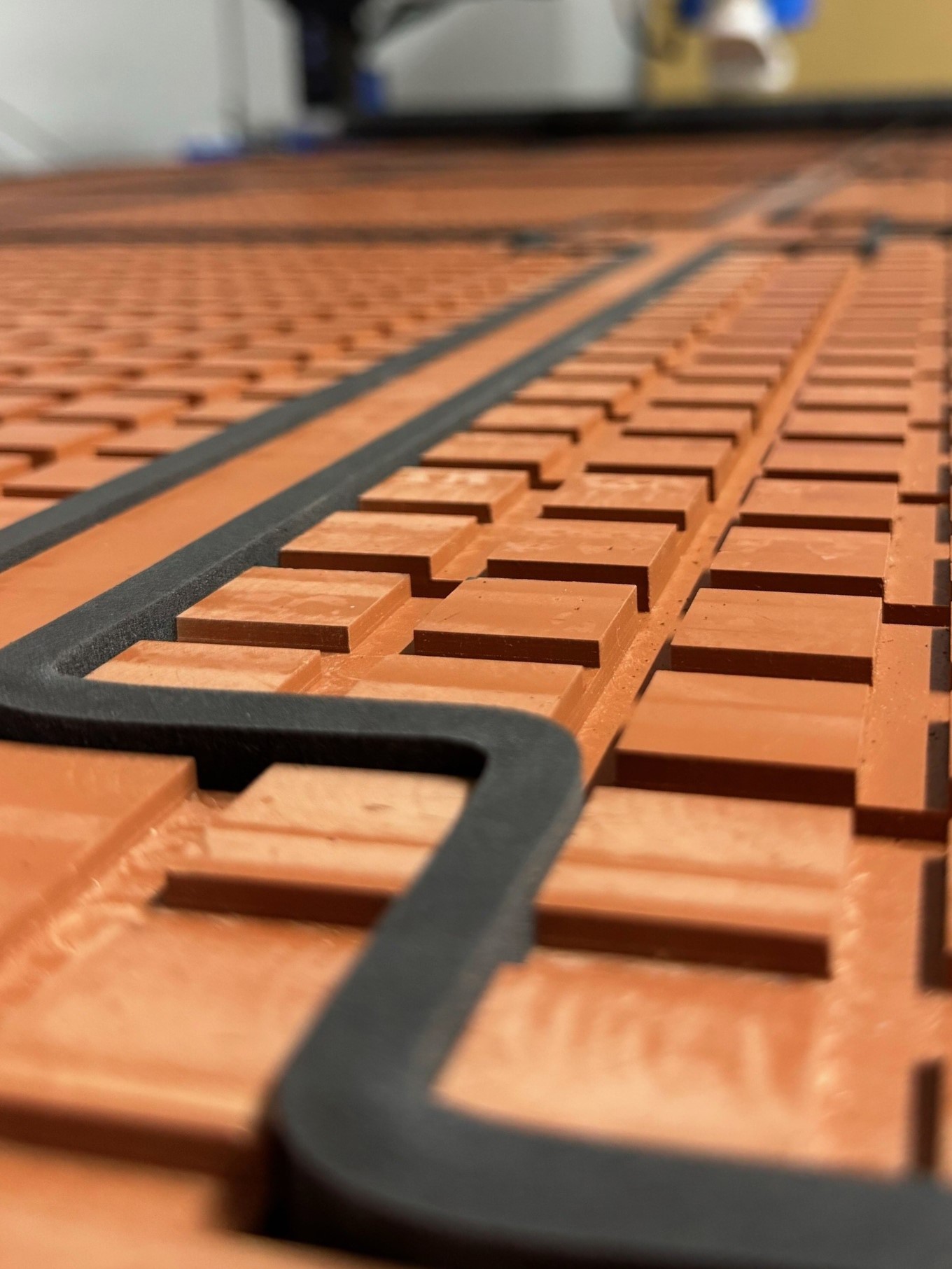
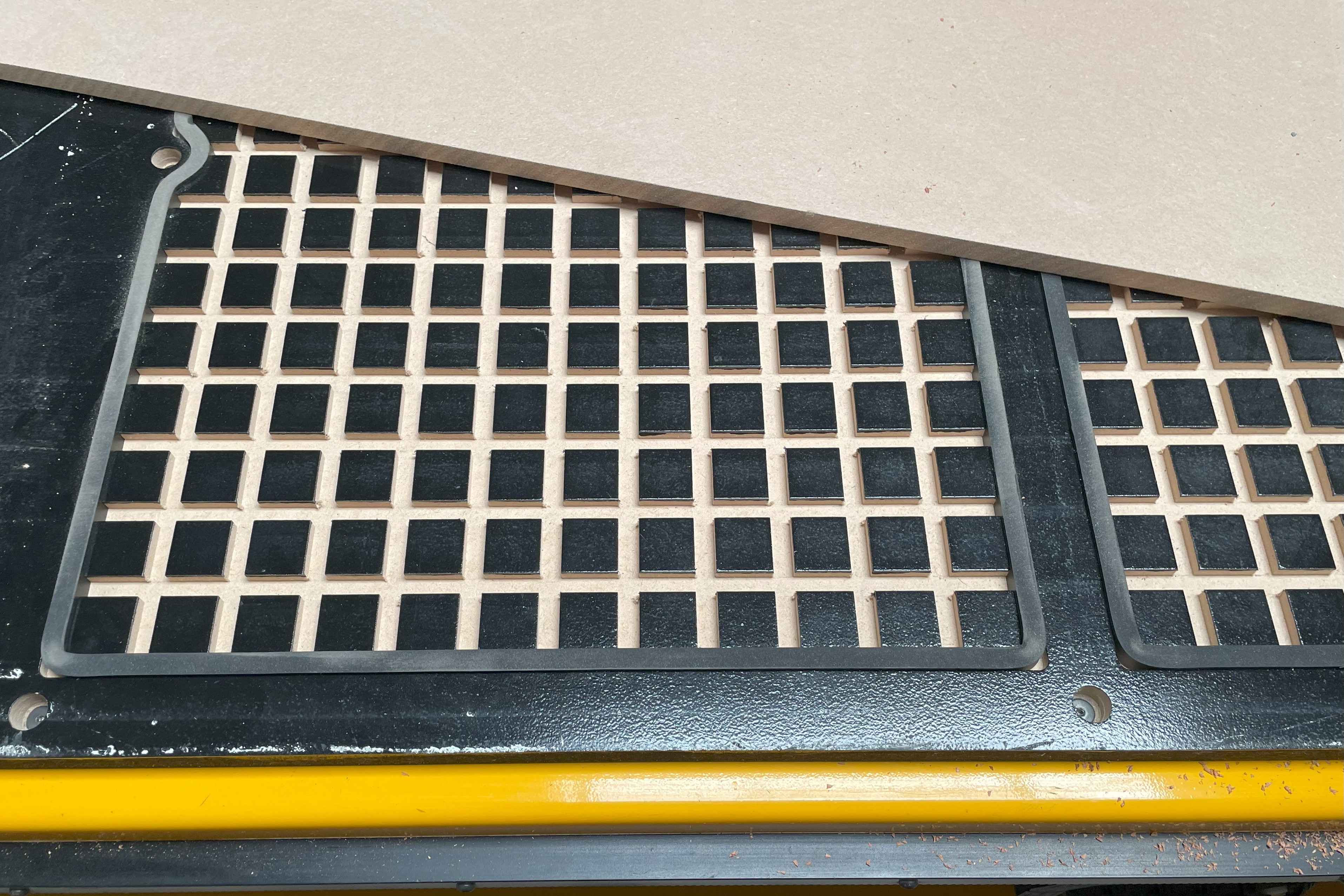
Grid Gasket is often the first place to look when a CNC router table is losing vacuum performance. Its job is to create a dependable seal between the vacuum table and spoilboard/fixture, helping the system pull air where it should instead of leaking around the perimeter. When the seal is consistent, operators can build stronger clamping force across the sheet, reduce part
movement, and spend less time chasing weak zones, patching
leaks, or adding unnecessary tabs.
For CNC operators, proper Grid Gasket installation comes down to fit, compression, and maintenance. The gasket should sit cleanly in the table channel, compress evenly under the spoilboard, and be checked regularly for wear, gaps, cuts, or areas that have been crushed over time. A well-sealed table gives the vacuum pump a better chance to do its job, which means more predictable hold-down, cleaner cuts, fewer shifted parts, and more confidence when running nested sheets, repeat jobs, and production work.
What Product is Best for my Machine:
- Square channels → use square gasket
- Round or dovetail channels → use round gasket
- Incorrect profiles reduce contact area and create leak paths.
Sizing
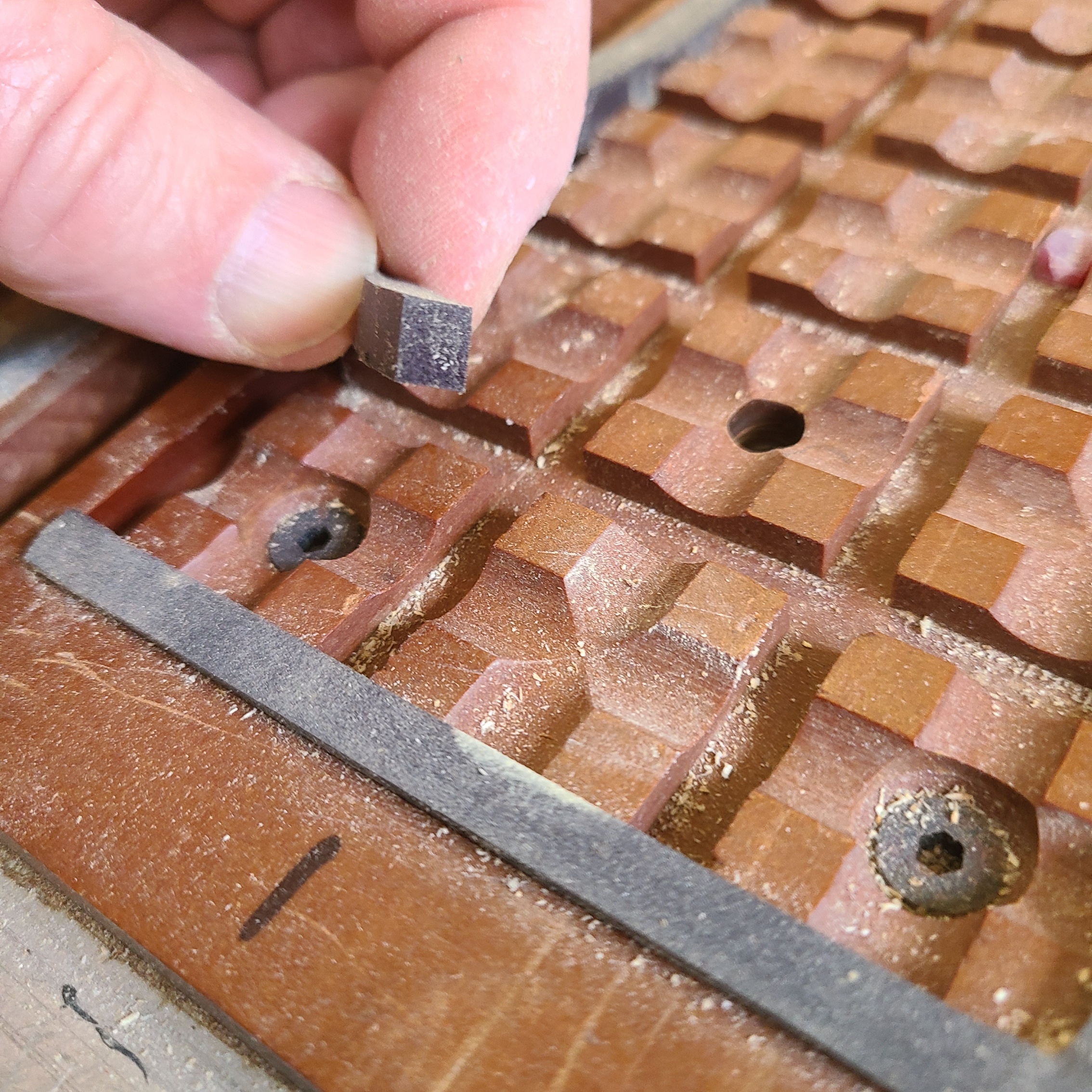
If you do not know the size of your channel, use a pair of Calipers to measure the channel’s width and height. It is good to note this somewhere for future reference.
Width:
- Width must match the channel closely
- An undersized gasket can shift and leak
Height:
- Gasket should sit approximately 1/16” proud above the channel
- This ensures proper compression when the spoilboard is surfaced and seated
- Oversized gasket can pinch, distort, or affect Z-zero consistency
- A gasket that is flush will not seal effectively
Density
- Medium Density is the most common. Represented in our SKU with (U MG).
- Firm Density is used for facilities that are cutting heavy material and need a firmer foundation to not zero out. Represented in our SKU with (U XR).
Material & Maintenance
- Non-adhesive gasketing is recommended for easy replacement and clean channels
- Replace gasketing as it wears—About every 500 Working hours. Once it becomes flush and sealing performance drops significantly
FAQ’s
- What size gasket do I need?
For Square Channels, you want to fill the channel’s width, while the height should stick above the channel about 1/16” - How do I size a round channel?
You want to choose a Diameter that is slightly larger than your channel. - How do I measure my Channel?
Remove the spoilboard and use a set of Calipers. - How often should I replace it?
We recommend about every 500 working hours - Will this work on my router brand?
We have custom gasket for all router manufacturers
Understanding the SKU System
Letters = Density
- U MG → Medium Density
- U XR → Firm Density
- Numbers = Dimensions (in inches)
- First number = Thickness (of the gasket)
- Second number = Width (custom dimensional cut to use in the channel)
Important Note
The Grid Gasket is omnidirectional and can be rotated to fit the corresponding channel dimensions for the correct height and width.
Example: U MG 25 312
- .25” Thickness → fits a 1/4” channel
- .312” Width → sits proud above the table to create a proper seal
This is our most common Grid Gasket, designed for standard 1/4” x 1/4” channels.
Testimonials
Becoming a CNC shop came with a ton of unique challenges, one of which was vacuum hold down, and losing small parts like crazy. Once we learned about All Star CNC Tile Gaskets, and the upwards of 50% increase in hold down many users were experiencing, we knew immediately we needed to try it.
Daniel got us set up with a set of Tile Gaskets to apply to the spoil board, as well as Grid Gaskets to section off each zone of our ShopSabre IS-510. We noticed an immediate increase in hold down. We went from losing small parts regularly, to having ZERO issues with losing small parts. Tile Gasket and Grid Gasket from All Star CNC has changed the game for CNC shops!
David Tiller – Owner
Tiller Trade Company
